
Property owners across Maryland are increasingly discovering the value of adapting existing buildings instead of starting from the ground up. Whether converting an aging warehouse into modern office space, transforming an agricultural structure into a commercial facility, or repurposing an industrial building for retail use, experienced building conversion contractors Baltimore businesses trust can help maximize the value of existing properties while reducing construction costs and timelines.
Building conversions require much more than cosmetic updates. Every successful project involves careful planning, structural evaluation, engineering, permitting, and construction expertise to ensure the finished building meets current codes while supporting its new purpose. With the right contractor, an underutilized structure can become a productive, efficient, and visually appealing investment that serves your business for decades.
What Is a Building Conversion?
A building conversion is the process of changing an existing structure from one use to another while preserving as much of the original building as possible. Rather than demolishing a property and constructing an entirely new facility, conversion projects adapt existing foundations, framing, and structural systems to accommodate new functions.
Common building conversion projects include:
Agricultural buildings converted into commercial facilities
Warehouses transformed into office space
Manufacturing buildings repurposed for retail
Storage facilities converted into distribution centers
Churches adapted into community or event spaces
Historic buildings renovated for modern business use
Each project requires a customized approach based on the building's age, condition, intended occupancy, and structural capabilities.
Why Choose Building Conversion Instead of New Construction?
For many businesses, converting an existing building offers significant advantages over constructing a completely new facility.
The existing foundation, structural frame, and utility connections often reduce overall construction costs while shortening project schedules. In many cases, businesses can preserve valuable architectural features that add character while modernizing the building's functionality.
Building conversion also minimizes demolition waste, making it a more sustainable construction option. Reusing existing materials reduces environmental impact while preserving structures that may hold historical or community significance.
For growing businesses, conversion projects often provide a faster path to occupancy than new construction, allowing operations to begin sooner.
Popular Building Conversion Projects in Baltimore
Baltimore's diverse commercial and industrial landscape provides numerous opportunities for adaptive reuse.
Former warehouses are frequently transformed into creative office environments, breweries, fitness centers, and mixed-use developments. Agricultural structures located outside the city are commonly converted into event venues, retail stores, equipment facilities, and commercial workshops.
Manufacturing buildings with large open floor plans also lend themselves well to distribution centers, fabrication facilities, and modern industrial operations.
Because every property presents unique challenges, successful conversions begin with careful planning and engineering.
The Building Conversion Process
Professional building conversion contractors Baltimore follow a structured process to ensure projects remain safe, compliant, and efficient from start to finish.
The first step involves a comprehensive property evaluation. Engineers and construction professionals inspect the existing structure, foundation, framing, roofing system, utilities, and site conditions to determine the building's suitability for conversion.
Once the assessment is complete, architects and engineers develop plans that incorporate both the owner's goals and current building code requirements.
During the permitting phase, contractors coordinate with local authorities to obtain approvals before construction begins.
Construction may involve structural reinforcement, roofing upgrades, insulation improvements, new mechanical systems, electrical work, plumbing modifications, exterior improvements, and interior finishes.
Finally, inspections ensure every aspect of the project meets applicable safety and occupancy standards before the building is placed into service.
Structural Considerations During Building Conversions
One of the most important aspects of any conversion project is evaluating the building's structural integrity.
Many older buildings were designed for uses that differ significantly from today's operational requirements. Increased occupancy loads, new equipment, larger openings, or additional mechanical systems may require structural modifications.
Contractors often reinforce framing, install new support beams, upgrade foundations, or replace deteriorated structural components to ensure long-term performance.
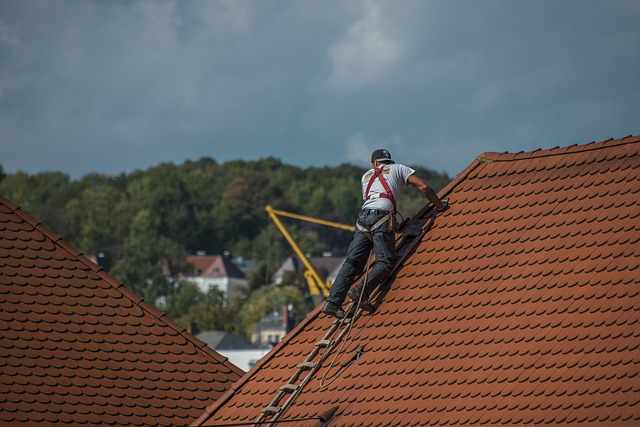
Roof systems also receive careful evaluation, particularly if new insulation, solar panels, HVAC equipment, or rooftop mechanical units will be installed.
Proper engineering ensures the converted building safely supports both current operations and future growth.
Modernizing Building Systems
While the existing structure provides the foundation for a successful conversion, building systems often require substantial upgrades.
Electrical systems may need expanded capacity to support modern equipment and technology.
Heating, ventilation, and air conditioning systems are frequently replaced with energy-efficient equipment that improves occupant comfort while reducing operating costs.
Plumbing systems are upgraded to accommodate new restrooms, kitchens, or production areas.
Fire protection systems, emergency exits, accessibility improvements, and life safety upgrades are also incorporated to meet current building codes.
These improvements allow older buildings to perform like newly constructed facilities while preserving their structural character.
Energy Efficiency Benefits
Building conversions provide an excellent opportunity to improve energy efficiency throughout the facility.
New insulation, high-performance windows, upgraded roofing materials, and modern HVAC systems significantly reduce heating and cooling expenses.
LED lighting, automated building controls, and energy-efficient mechanical equipment further lower utility costs while improving occupant comfort.
Many businesses also choose to incorporate sustainable construction practices during renovation, helping reduce long-term operating expenses while supporting environmental initiatives.
Maintaining Architectural Character
One of the greatest advantages of building conversion is preserving unique architectural features that distinguish the property.
Original timber framing, exposed beams, brick walls, vaulted ceilings, and historic exterior details often become attractive design elements within the finished building.
Rather than removing these features, experienced contractors integrate them into the modern design, creating spaces that combine character with functionality.
This approach frequently enhances property value while providing businesses with a distinctive environment that reflects their brand identity.
Choosing the Right Building Conversion Contractor
Building conversions require specialized expertise that extends beyond traditional commercial construction.
Experienced contractors understand structural engineering, code compliance, adaptive reuse strategies, and renovation sequencing necessary to complete complex projects successfully.
When selecting building conversion contractors in Baltimore, businesses should evaluate experience with similar projects, engineering capabilities, project management processes, licensing, safety programs, and communication practices.
Contractors who offer design-build services often simplify the process by coordinating design, engineering, permitting, and construction under one team, reducing delays and improving project efficiency.
Planning for Future Growth
A successful building conversion should accommodate not only today's operational needs but also tomorrow's expansion plans.
Flexible floor layouts, oversized utility systems, modular office configurations, and future equipment allowances help businesses adapt as operations evolve.
Planning for future growth during the initial conversion often prevents costly renovations later while maximizing the long-term value of the investment.
Working closely with experienced design and construction professionals allows businesses to develop facilities capable of supporting changing operational requirements for years to come.
Why Professional Building Conversion Matters
Although some renovation projects appear straightforward, building conversions involve numerous technical challenges that require professional oversight.
Structural modifications, code compliance, utility coordination, permitting, and scheduling must all work together to ensure project success.
Experienced contractors identify potential issues early, develop practical solutions, and maintain construction quality throughout every phase of the project.
Their expertise helps minimize unexpected costs, reduce construction delays, and deliver facilities that meet both functional requirements and regulatory standards.
Conclusion
For businesses seeking cost-effective alternatives to new construction, working with experienced building conversion contractors Baltimore property owners rely on can unlock the full potential of existing buildings. From warehouses and industrial facilities to agricultural structures and historic properties, professionally managed conversions create modern, efficient spaces while preserving valuable structural assets.
With careful planning, expert engineering, quality craftsmanship, and attention to future growth, a building conversion can transform an outdated structure into a productive commercial facility that supports your business for decades while delivering exceptional long-term value.




Write a comment ...